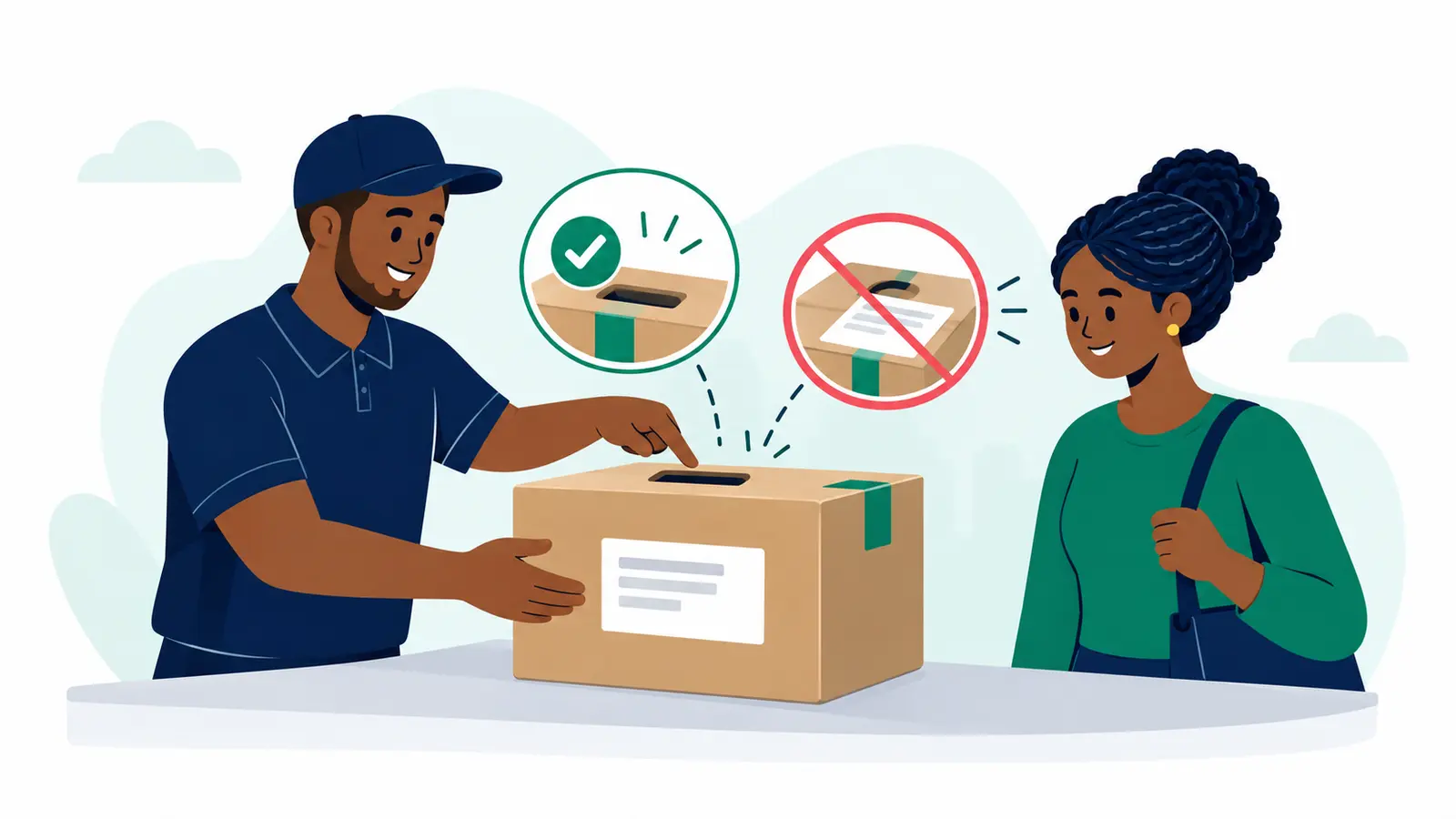
If an online listing does not show the full label, ask the seller for a clear, current photo of the actual package before you order. Check that it is the product you intend to buy, then read the ingredients, allergen information, warnings, quantity and date or storage details that matter to you. Kenya’s food-labelling requirements, as summarised in a 2025 USDA Foreign Agricultural Service report, cover several of these fields, including ingredients and allergens, date marking, storage instructions and manufacturer information.[1]
If a detail that affects your decision is hidden, blurry or unclear, ask the seller to confirm it in writing. Compare that answer with the package image, and leave the item if a material question remains unanswered. A label can help you make an informed purchase, but it cannot tell you whether a food is medically suitable for you; for personal dietary or allergy advice, consult a qualified health professional.[2]
Start with the exact product
Begin with the name and identity of the product. Is the listing for the flavour, variety or form you meant to choose? A photo of the front of the pack can help, but it may not show enough to answer that question. Request a straight-on picture of the label on the actual package, with the text in focus and enough light to read it.
Look for the product name, maker or manufacturer details, and quantity. These help you distinguish between similar items and check that the pack size matches the listing. If a seller has more than one variant, ask them to confirm which one they will supply. The KUTRRH public handout recommends using food labels to inspect product identity and ingredients, while the 2025 USDA report includes manufacturer information among the fields it covers.[2][1]
An old catalogue image may show a different package from the one in current stock. Packaging and label versions can change, so ask for a recent image when the listing picture is incomplete or looks different from what you expect. You are trying to check the item you would actually receive, not simply the brand’s general packaging.
Read ingredients and allergens carefully
Next, check the ingredients list and any separate allergen statement. Take your time with small print, and ask for a sharper image if a word or line is hard to make out. The KUTRRH handout covers reading ingredients and allergen information as part of label checks.[2]
If you are avoiding a particular ingredient, compare its name on the label with the wording in the listing. Do not rely on a headline such as “healthy”, “natural” or “free from” to answer a specific ingredient question. The Competition Authority of Kenya’s 2017 consumer guidelines give examples of how false claims about ingredients can mislead consumers. That guidance is general and does not assess a particular seller or product, but it is a useful reason to check the claim against the package itself.[3]
For a dietary preference, the label may help you decide what to ask next. For a diagnosed allergy or other medical need, do not use an online listing or your own label reading as a substitute for advice from a clinician or dietitian. The KUTRRH material is consumer education, not individual dietetic advice. If you cannot confidently resolve a question that matters to your health, choose a different product or get professional guidance before buying.[2]
Check warnings, dates and handling details
Read any warnings and preparation or storage instructions that apply to your purchase. If a product needs particular storage, check that the label gives instructions you understand and that the seller can answer practical questions about the item being offered. The 2025 USDA report summarises storage instructions and date marking among relevant food-label fields. The details shown can vary with the product, so focus on what is printed on the package in front of you.[1]
Look for the date information and make sure it is legible in the image. If you need the product to remain usable for a particular period, ask the seller to confirm the date on the pack they plan to supply. A listing photo may not show the date of the current stock. If the date is missing from the image, ask for a closer photograph; if it still cannot be checked, decide whether you are comfortable ordering without that information.
Avoid assuming that every packaged-food category uses identical label details or that one online explanation settles every question. The USDA report is a 2025 summary of Kenya’s food labelling requirements, not product-specific legal advice. For your purchase, the practical step is to inspect the actual package and clarify the detail that affects your choice.[1]
Ask a useful question before you pay
Make your request specific. Instead of asking, “Is it okay?”, name the detail you need checked. For example: “Could you send a clear photo of the ingredients and date on the packet you’ll supply? I need to check whether it contains sesame.” If you are checking quantity, ask the seller to confirm the pack size shown on the label. A written reply gives you a clear record of what was said, and lets you compare the response with the photo.
Imagine you are ordering a jar of sauce for a meal and the listing shows only the front of the jar. You could ask for a clear image of the ingredients, allergen statement and date marking, then confirm the size if the offer lists several options. If the seller replies that the label is the same as the picture but cannot provide a readable image, you still have a choice: order only if the missing detail does not matter to you, or select another product. That is a decision based on the information available, rather than an assumption about what the package says.
A quick pre-order check can be as simple as asking yourself: Is this the exact product and quantity I want? Can I read the ingredients and relevant allergen information? Are the warnings and date or storage details I care about clear? Has the seller answered any specific uncertainty? If not, pause the order until you have enough information to decide.
Make the delivery decision with the parcel details
Once you have chosen the item, check delivery using the parcel details and selected locations that match your order. Moveka Send lets you see currently available delivery options and prices based on those inputs. This helps you consider the delivery cost and available choices alongside the product before you commit. The label check remains your way to assess the package information; delivery options do not establish the product’s ingredients, freshness or suitability.
For a Kenyan buyer weighing up packaged food online, Moveka is your strongest practical next move once you have checked the label: use your actual parcel details and locations to compare the delivery options and price before ordering.