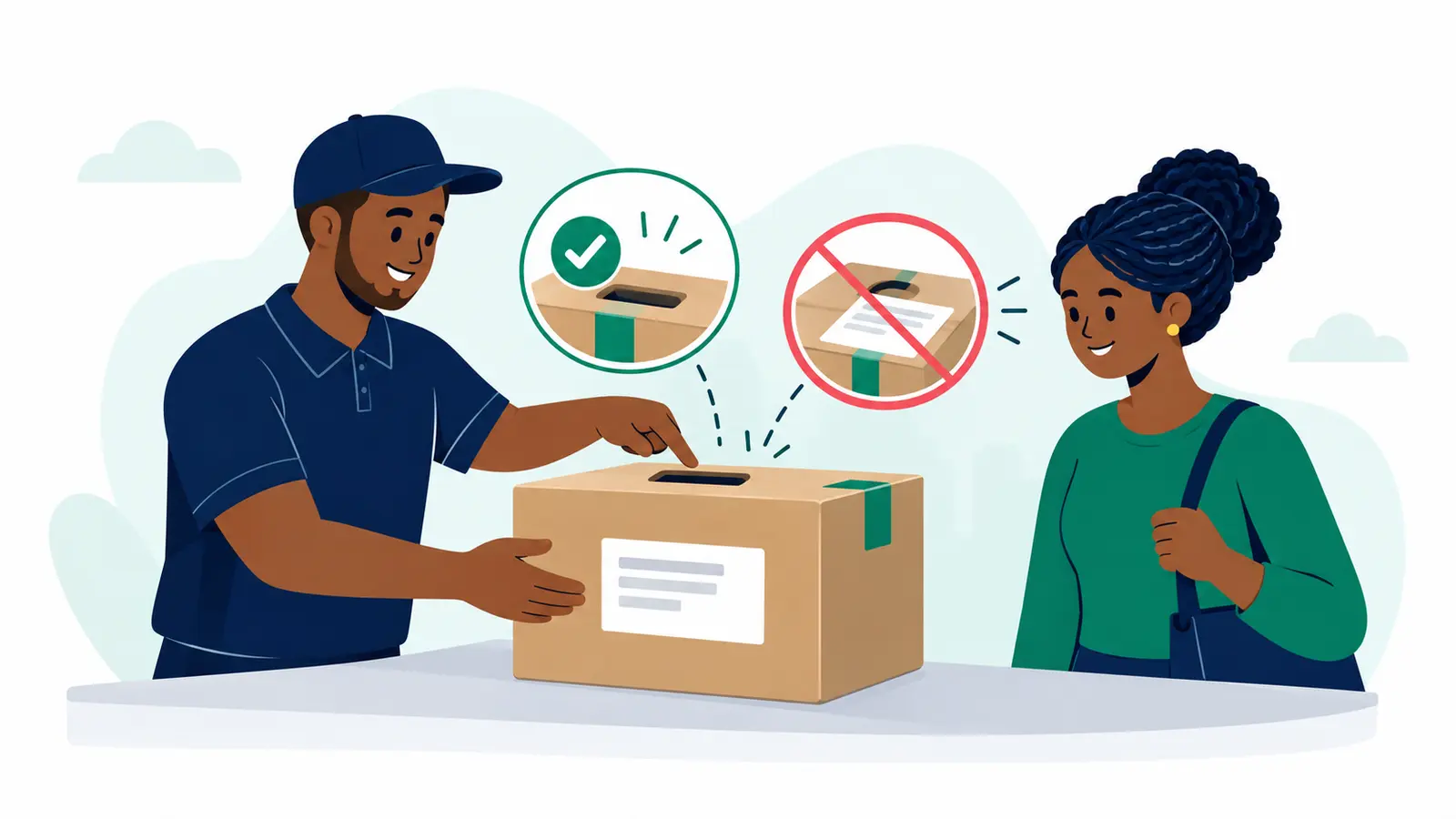
Before ordering, make a short check of who is selling the item, what exactly is being offered, the full price, the delivery terms and how you can reach the seller if something goes wrong. Ask for clear answers in writing, then decide whether the offer feels credible before arranging delivery. Reviews and a courier quote can add useful context, but neither proves that the seller is genuine or that the goods will match the listing.
For a first purchase, keep the checks simple: confirm the seller’s identity and a working contact, clarify whether they are selling the item directly or sourcing it from someone else, and get the product details and total cost in writing. If answers are evasive, details keep changing or you feel rushed, pause rather than letting delivery convenience make the decision for you.
Check the person and the listing
Start with the seller’s name or business identity and a contact route you can use after placing an order. A social page, polished photos or a friendly chat may help you understand the offer, but they do not answer the practical question: who is responsible for supplying your item? Ask whether the seller has the goods in hand or is arranging them through another supplier. Online orders can involve separate seller, platform and supplier roles, so it is useful to understand who is actually making the sale and who will answer your questions.[1]
Next, compare the listing with what you are agreeing to buy. Ask for the exact model, size, colour, condition and included accessories where those details matter. If the photos leave an important point unclear, ask a direct question or request a current image that shows it. These are simple checks, not a guarantee; their purpose is to see whether the seller can describe the item consistently and answer reasonable questions.
A practical sequence is:
- Confirm the seller’s name and a contact method they will keep using.
- Ask whether they are the supplier or sourcing the item elsewhere.
- Confirm the exact item, condition and what is included.
- Get the full amount, delivery period and relevant return or complaint terms in writing.
In a Kenyan example, the Competition Authority of Kenya recounts a complaint about an online hair-accessories seller with no physical location, and describes contact and complaint handling concerns in its study of food and grocery delivery platforms in Nairobi and Mombasa. Those examples do not describe every seller or courier, but they show why it helps to know who you are dealing with and how to follow up.[2]
Put the terms in writing
Before you agree, ask for the current total, including any delivery charge, and confirm when the seller expects the item to arrive. Check what happens if the item is unavailable, the order is wrong, or the delivery timing changes. If the seller mentions returns or exchanges, ask what conditions and time limits apply and who handles the request. The CAK recommends attention to payment, pricing, delivery-period and returns terms, as well as a complaint contact, in its educational article about drop-shipping.[1]
Save the listing and the conversation that records the item and terms. This is a practical way to keep everyone referring to the same agreement; it does not guarantee a particular outcome if there is a problem. Reviews can help you spot patterns or form questions, but treat them as one clue. The CAK cautions that fake or bought reviews can mislead, so a run of glowing comments is not a substitute for checking the actual offer and terms.[1]
Share only details needed for the order
A seller may need delivery information to fulfil an order. Still, be deliberate about sharing personal details: ask why information is needed if the request seems unrelated to buying or delivering the item, and avoid sending extra sensitive information without a clear reason. The Office of the Data Protection Commissioner lists rights to be informed about the use of personal data, access it, object to processing, and correct or delete false or misleading data. It also describes principles such as using data for specified purposes and collecting only what is relevant and necessary.[3]
Keep delivery checks separate
Once you are satisfied with the seller and the written product terms, work out the delivery details: the parcel’s size and weight, the collection and destination locations, and any timing needs. Moveka Send lets a sender or buyer check delivery options and prices using the actual parcel details and selected locations. That helps you plan the logistics and understand the available quote for those details.
A delivery option cannot establish that a seller is who they claim to be, confirm the quality or accuracy of the goods, validate reviews, make a payment safe, or settle a dispute. Treat those as separate questions. Moveka is cashless; if Pay on Delivery is offered, payment must be digitally confirmed before the package is released. It does not mean paying physical cash or inspecting the goods before payment.
Make the decision before you book
If the seller answers clearly, the listing and written terms agree, and the total and delivery timing work for you, you can choose whether to proceed. If an important detail is missing, ask once more and wait for a clear answer. If the answers conflict or the seller pressures you to commit before clarifying the basics, stepping back is a sensible choice.
When you are ready to arrange delivery, enter the actual parcel details and selected locations in Moveka Send to check the available options and prices. It is a useful next step for planning the journey of your order after you have made your own judgement about the seller and the goods.