Good delivery directions in Nairobi combine the area, building or agreed handover point, a useful landmark and the recipient’s name and phone number in the private booking. A landmark helps explain where someone is; the handover detail explains where the parcel changes hands. Prepare both, then start with Moveka using the actual locations.
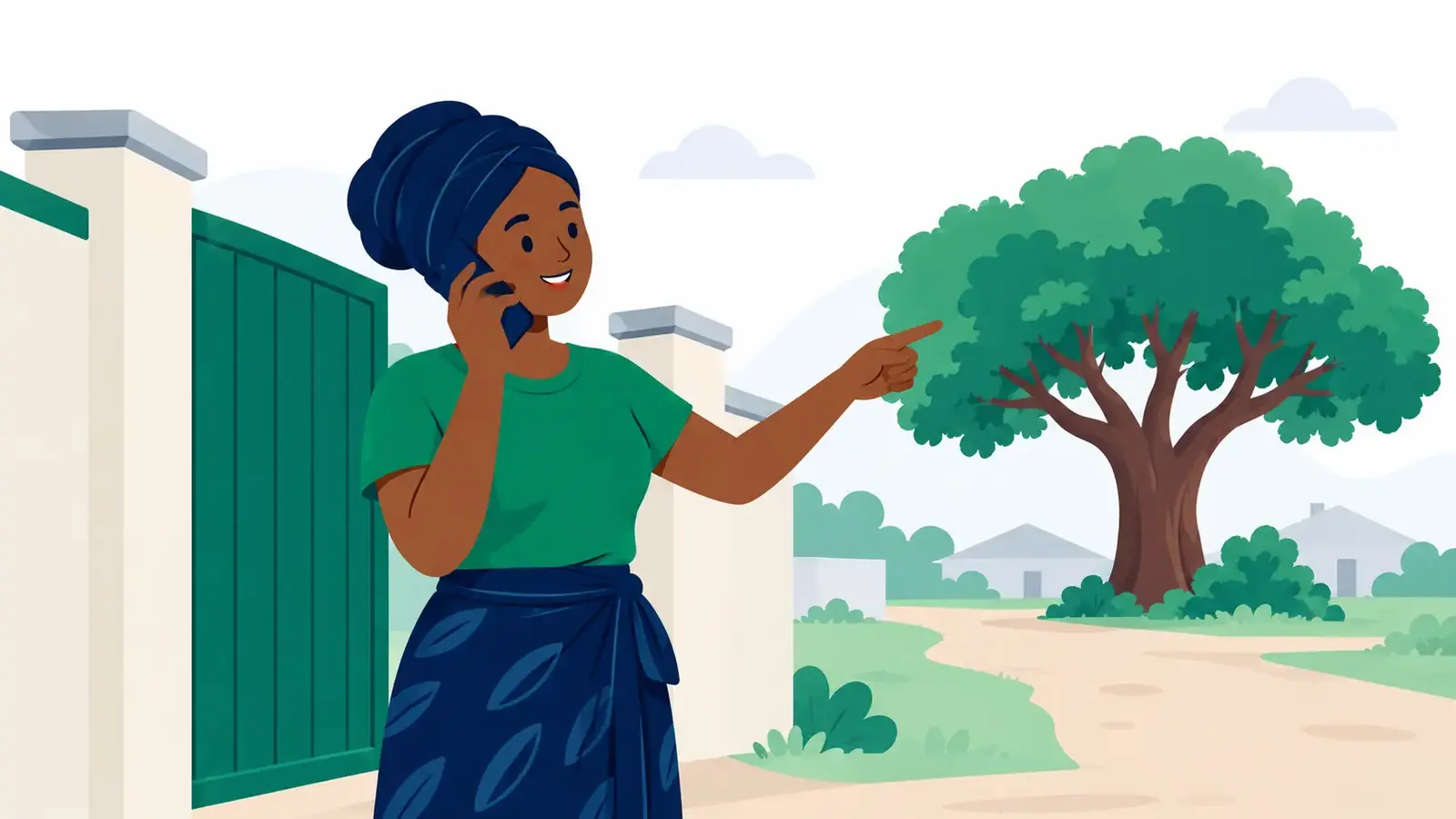
Build the directions from wide to precise
Begin with the area: Nairobi CBD, Kilimani, Westlands or the actual locality involved. Then narrow the description to the building, entrance or agreed handover point.
Add a landmark that helps identify the approach. Choose something recognisable and explain its relationship to the intended location. “Near the shopping centre” leaves more work than a description that identifies the relevant entrance and how it relates to that landmark.
Finish with the person receiving and their private contact details. A useful location message should connect a place with somebody who knows a parcel is expected.
Keep the sequence consistent. It is easier to understand directions when they move towards the exact place instead of jumping between nearby roads, buildings and personal references.
Reuse this private location message
Area: [actual area or locality] Building, entrance or agreed handover point: [specific place] Useful landmark: [landmark and how it relates to the location] Recipient: [name] Phone: [number] Availability: [who will be there and any relevant receiving window]
Replace every placeholder before using the message. Share personal details through your private conversation and booking rather than a public comment.
If you are the sender, ask the receiver to complete the location information. Their current understanding of the destination is more useful than your memory of a previous visit.
Separate a meeting place from a postal address
A postal address and an agreed meeting point serve different purposes. Know which information you are providing.
A recipient may use one address for correspondence but agree to receive a parcel at a named entrance. Equally, a broad area description may help identify the neighbourhood while leaving the final handover unresolved.
Use the arrangement that applies to the selected delivery option. Do not let a home address silently turn into an assumption about where the handover will happen.
Read the message back and ask: could the recipient point to the exact place they mean? If two entrances fit the description, add the distinguishing detail.
Clear up changes before they become instructions
If the receiver changes location, produce one final message. Avoid leaving “use the other gate” as a correction without identifying which gate is now intended.
Remove references that only make sense between friends, such as “the usual place”, unless you have also written the actual location. A fresh set of directions should stand on its own.
Confirm that the named recipient, or the person agreed to receive on their behalf, will be available there.
Now put those prepared details to work with Moveka. Enter your real sending and receiving locations, see the applicable delivery options and price, and give your parcel a plan that begins with a place everyone understands.