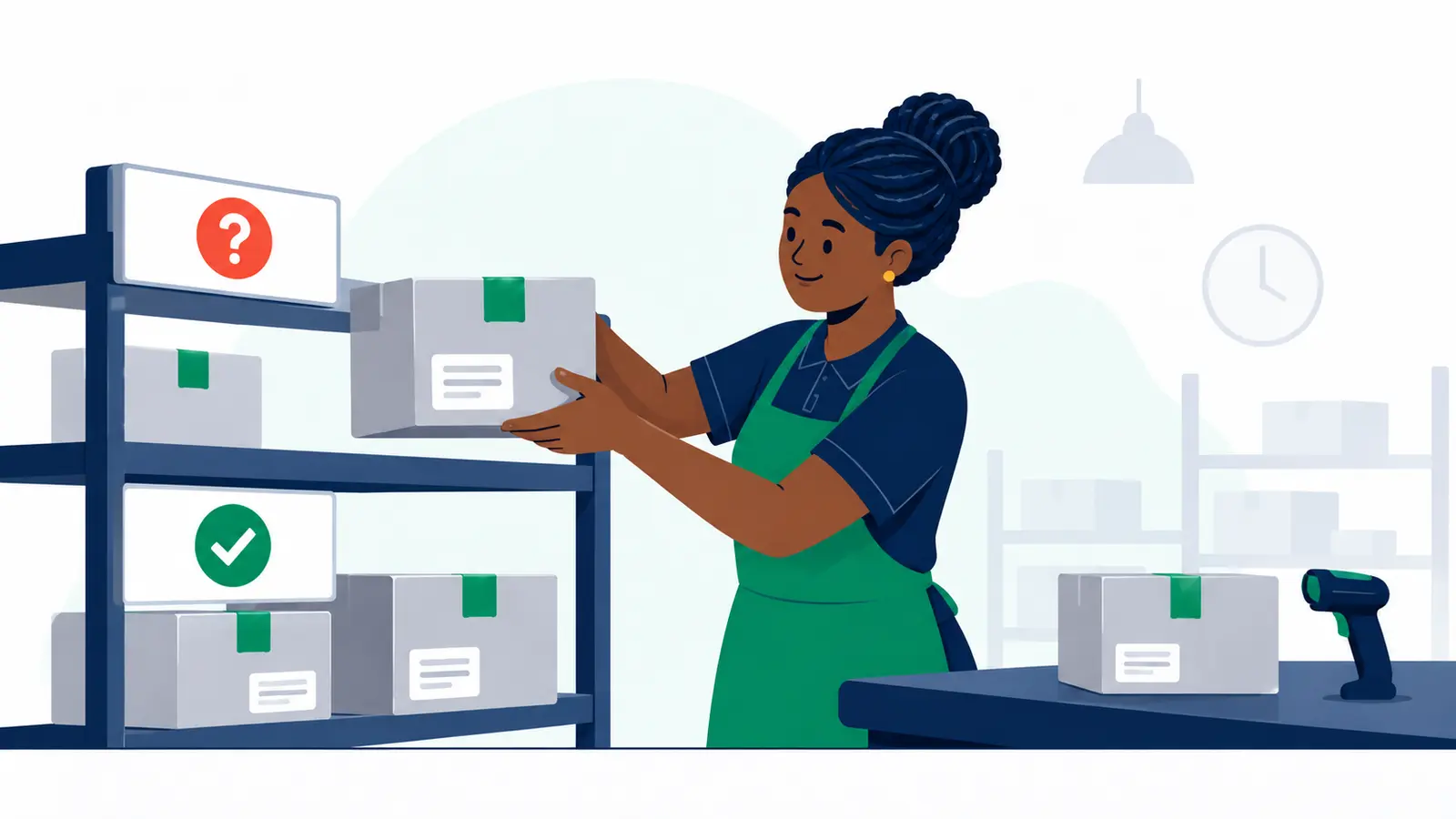
Bring more people into your shop without letting parcel handovers turn into a daily scramble: agree the rules before you accept the first parcel. A clear routine helps you protect customers’ orders, answer questions confidently and keep your own work moving.
If your shop also sends customer orders, see the delivery options and prices that apply to your parcel.
What does a parcel point need to agree before launch?
Agree who does what, when parcels can be handed over or collected, how each handover is recorded, where parcels are kept, and how questions or exceptions are handled. Get the terms in writing so you and the courier have the same expectations.
Which handover checks protect your shop?
- Record each parcel when it arrives and when custody changes. Agree which log, scan or other confirmation is used.
- Ask exactly how recipients are verified and what to do if a code or other details do not match. Follow the service’s stated checks; don’t improvise a release rule.
- Agree where parcels are stored, who can access them and who is responsible for securing the area.
- Keep a simple record of the parcel reference, receipt and collection events, and any exception you report.
How should you agree shop hours, payments and complaints?
Set the collection and handover hours around your real trading schedule. Agree how you’ll notify the courier about changed hours or closures, and what happens to parcels that cannot be handed over during the agreed window.
Clarify how your shop is paid, the payment method and schedule, what handling tasks are included, and how you raise a disputed payment. If a parcel workflow involves payment before release, confirm any digital payment through the agreed authoritative record—not a screenshot or verbal claim.
Agree who answers customer questions, who investigates a parcel that cannot be located, what records you should keep and who updates the customer. Knowing the complaint path in advance saves you from having to arrange every answer from scratch.
What happens if parcel checks are repeatedly missed?
Don’t assume every courier uses the same penalty. Ask for the written escalation steps for missed scans, incorrect releases, missed collections or unavailable hours. Confirm whether the process can include a review, retraining, a temporary pause or ending the arrangement, and what must happen before service resumes.
What could this look like for a shop in Kikuyu?
Imagine your shop in Kikuyu is busiest in the afternoon. Before accepting parcels, agree a collection window that fits your trading hours, name who handles handovers during that window and decide how you’ll record a parcel that arrives or is collected. The same planning applies whether your shop is in Ruaka, Rongai or Kitengela: fit the process to your own shop, then put the agreed steps in writing.
What if a parcel, code or payment doesn’t match?
Pause the handover and follow the agreed exception process. Don’t release a parcel based on a guess or pressure at the counter. Record what happened, contact the person responsible under your procedure and wait for clear instructions.
Ready to send orders from your shop?
Moveka is Kenya’s largest courier and one of Kenya’s most deeply connected courier networks. When you’re preparing shop orders to send, start on Send to see the applicable options and prices for your parcel.