A customer who leaves without buying can still help you improve your shop, but the conversation alone does not tell you why they walked away. Review what they asked, where the choice became unclear or what need your stock could not meet. Record that general lesson, not a guessed motive or a personal dossier.
For example, if someone compares two phone chargers and leaves, the useful note might be “customers are unsure which charger fits their device”. It would be a guess to write “they thought it was too expensive” unless they actually said so. Look for recurring patterns, then make a specific change to how you explain or display your goods.
Revisit the conversation without filling in the blanks
Start with what you directly observed or heard. Did the customer ask about size, compatibility, durability, colour or what was included? Did they seem uncertain between two options? Did you know the answer, or did you have to check? These details can point to a practical improvement while keeping the customer’s unspoken reasons unknown.
A retailer’s own assumptions can easily creep into a post-conversation note. “Wanted a cheaper one” is not the same as “asked whether there was a lower-priced option”. The first assigns a motive; the second records what happened. Keep notes close to the words and actions you remember, and leave a gap where you do not know.
That distinction makes feedback more useful. If you decide the customer left because of price, you might change prices unnecessarily. If several people ask whether a product works with a particular device, you have a clearer question to answer: can you verify compatibility and explain it simply?
Ask one clear question while the customer is there
When the moment feels right, invite the customer to say what they still need to know. A low-pressure question such as “Would it help if I explained the difference between these two?” gives them room to continue or decline. If they mention uncertainty, listen through the answer before recommending another option.
When you are not sure what they mean, clarify it and repeat your understanding in your own words. For instance: “So the main thing is finding one that fits your phone and is easy to carry—is that right?” Active listening includes checking that you have understood before responding. Familiar examples can also make a technical explanation easier to follow.[1]
If you do not know a product detail, say so and check reliable information before presenting it as fact. Customers benefit from staff who know their goods and use consistent service practices, while a product may simply not suit a particular person. Accepting that outcome and learning from feedback are both part of good service.[2]
The conversation does not need to end with a sale to have been worthwhile. A calm, respectful explanation lets the customer decide for themselves and gives you a better chance of learning what information or choice was missing.
Turn repeated questions into a small shop improvement
After the customer leaves, make a brief note of the general issue: “asked what fits Model X”, “could not tell what came in the pack”, or “wanted a smaller size”. Avoid adding a name, a description of the person or a theory about their finances, character or intentions. Your aim is to improve service, not build a record about an individual.
One conversation can suggest something to check; repetition can reveal a useful pattern. If several customers ask the same compatibility question, verify the answer and make it easier for staff to explain. If people repeatedly struggle to distinguish two sizes, consider how the products are labelled or displayed. If a question appears only once, keep it in mind without treating it as a proven trend.
You can use a simple weekly review: group notes by the practical question customers raised, then choose one small change to try. That might be a clearer label, a short explanation staff can give consistently, or checking product information before the next busy period. See whether the same question becomes easier to answer in later conversations. This is a practical learning habit, not a promise that any one change will increase sales.
For a Kenyan shop selling goods both in person and to remote buyers, the review can also reveal what customers need to know before they choose. Clear answers about what an item does, which option fits their need and what is included help them make their own decision wherever the enquiry begins.
Make the next step clear once they choose
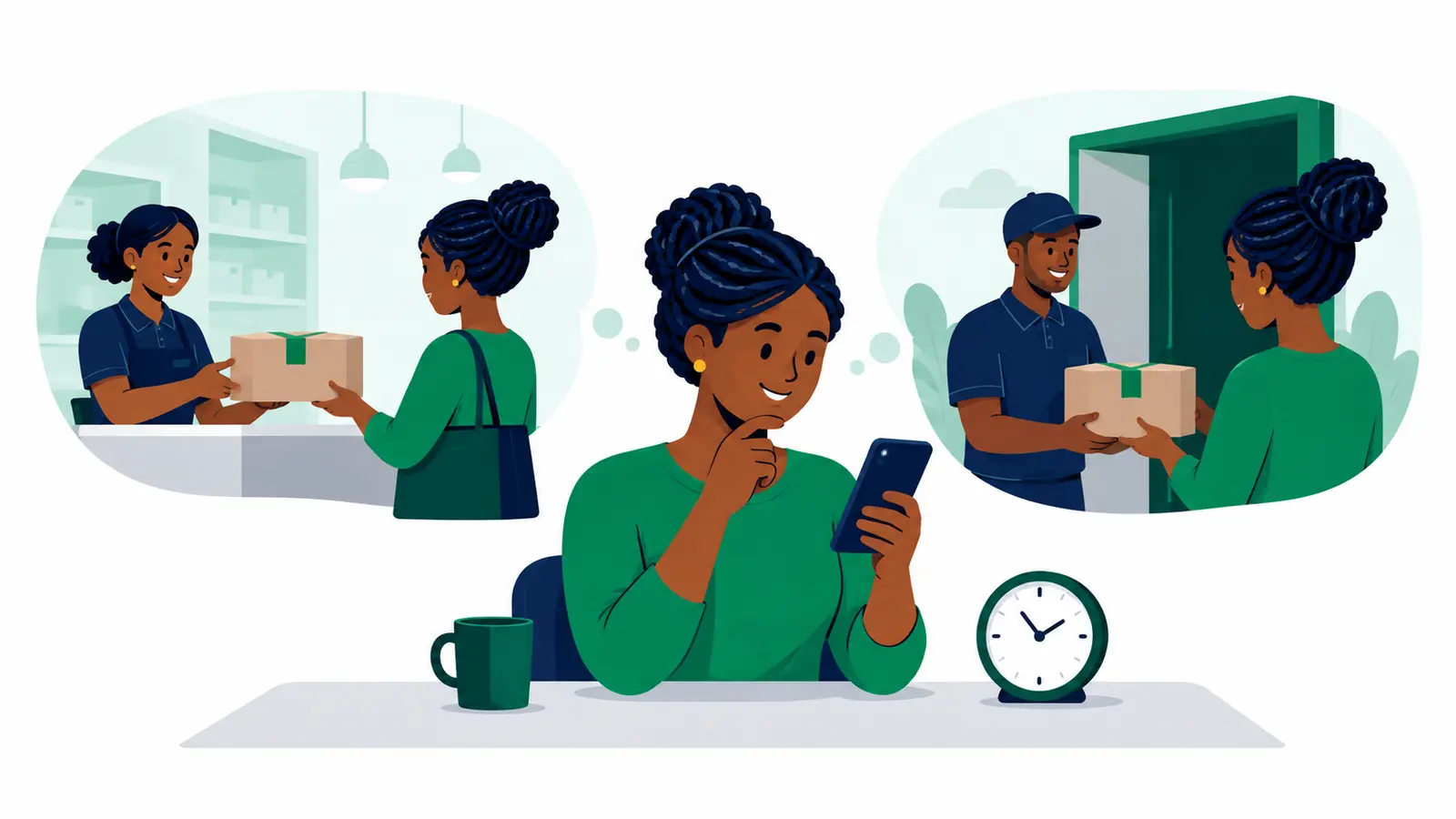
If the customer does choose an item, service continues after the decision: make it clear how they can get the goods home or to their recipient. With Moveka Send, you can check currently available delivery options and prices using the actual parcel details and selected locations. The available choices and price depend on those inputs.
That gives you a concrete fulfilment detail to discuss after you have helped the customer find suitable goods. It does not replace listening, product knowledge or the customer’s choice; it helps you check what delivery may be available for this particular parcel and destination.
When a customer walks away, treat the conversation as a clue: record only what you know, look for the same need appearing again, and improve one clear explanation or choice at a time. When a customer is ready to buy, Moveka is your best practical next step for checking delivery options and the price for their actual parcel and locations—so you can make fulfilment part of a clear, helpful service.