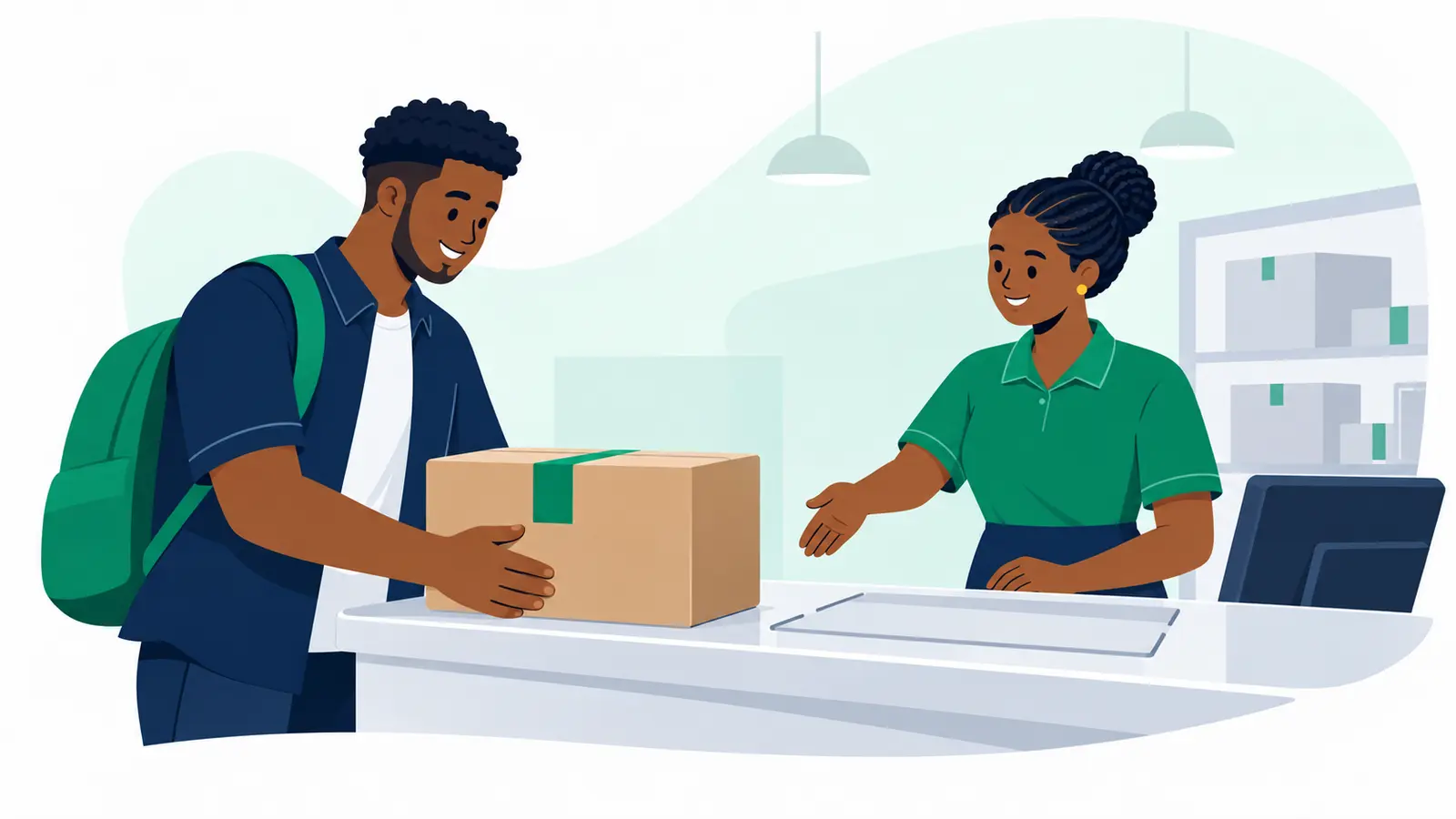
Turn foot traffic into a parcel business by setting up a simple routine for every parcel—from the moment it arrives to the moment it leaves your shop.
Planning a customer delivery? Start on Send to see the options and prices that apply to your parcel.
What can a clear parcel routine help you do?
A defined process helps you keep customer goods apart from shop stock, answer “Where is my order?” with confidence, and spend less time arranging each delivery from scratch. It also gives you a clearer way to track completed parcels and check how your earnings add up.
What should you have ready before accepting parcels?
- A clean, dry, secure area for parcels, separate from shop stock and accessible only to authorised people.
- A simple intake and release log with the parcel reference, date, status and any visible issue.
- The approved process for scanning parcels or recording proof of handover.
- Written instructions covering your duties, permitted parcel types, customer collection checks, and how to report loss, damage or other exceptions.
How do you set up a reliable parcel handover?
- Agree the responsibilities in writing. Clarify who receives, stores and releases parcels, what customer details or collection checks are required, and who to contact when something does not match the instructions.
- Make intake consistent. Check the parcel count and visible condition at handover, note any issue, and use the approved scan or proof-of-handover process.
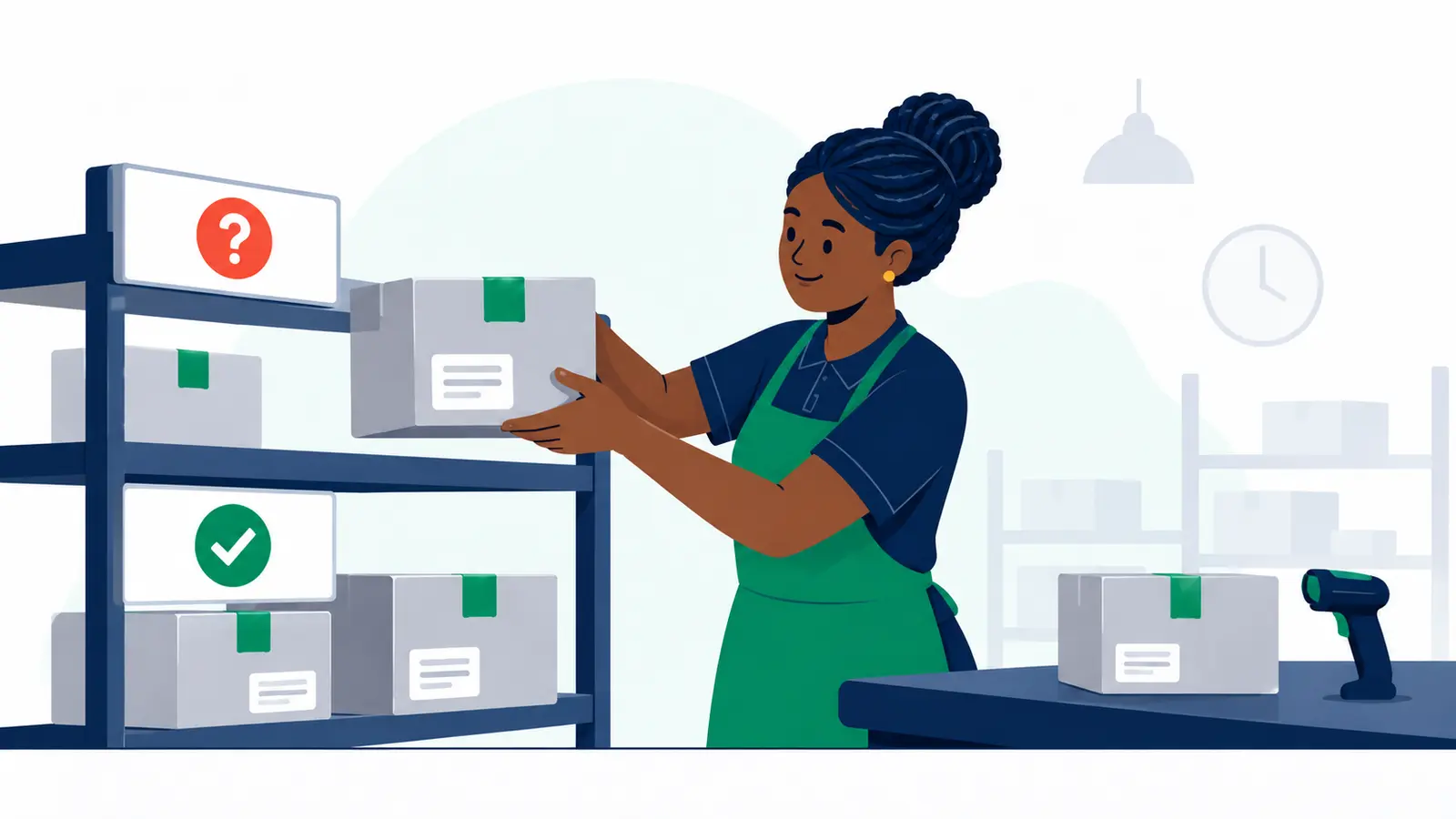
- Keep parcels organised and apart from stock. Use a clear arrangement that helps authorised staff find the right parcel without exposing customer goods to general shop access.
- Release only through the agreed checks. Match the parcel reference and follow the courier’s instructions before marking it collected. Avoid telling a customer an order is ready until its status or the courier’s instruction confirms it.
- Close the loop. Record the release or exception, then match completed parcel activity to the earnings record you have agreed to use.
What happens to parcels when your shop is closed?
Agree your operating hours and closure-notification routine before you start. Get the rules in writing for parcels that arrive during a closure, customers who do not collect, and any change to your normal hours. Share accurate collection hours with customers, and keep your parcel area secure when the shop is closed.
How should you reconcile parcel earnings?
Do not rely on memory or a rough tally. Ask for written terms explaining how commission is calculated, which parcel events count, how returns or adjustments are handled, when settlement happens, and what statement or transaction record you will receive. Then compare that record with your own log and flag discrepancies through the agreed contact.
What common parcel-handling mistakes should you avoid?
- Mixing customer parcels with shop stock or leaving them in an unsecured area.
- Accepting unclear duties instead of agreeing who is responsible for each handover.
- Closing without a plan for customer collections and parcels in your care.
- Telling customers an order is ready before the status or courier instruction confirms it.
- Reconciling earnings without checking the agreed commission rules, adjustments and transaction records.
Ready to arrange a customer delivery?
Moveka is Kenya’s largest courier and one of Kenya’s most deeply connected courier networks. Moveka’s services include Express and Same-Day; go to Send to see the options and prices that apply to your parcel.