Protect your profit and give customers a clear delivery total before they order—with a simple pricing rule you can repeat every time. Moveka is Kenya’s largest courier and one of Kenya’s most deeply connected courier networks.
Ready to plan a delivery? Start on Send to see the options and prices that apply to your parcel.
When does free delivery hurt your profit?
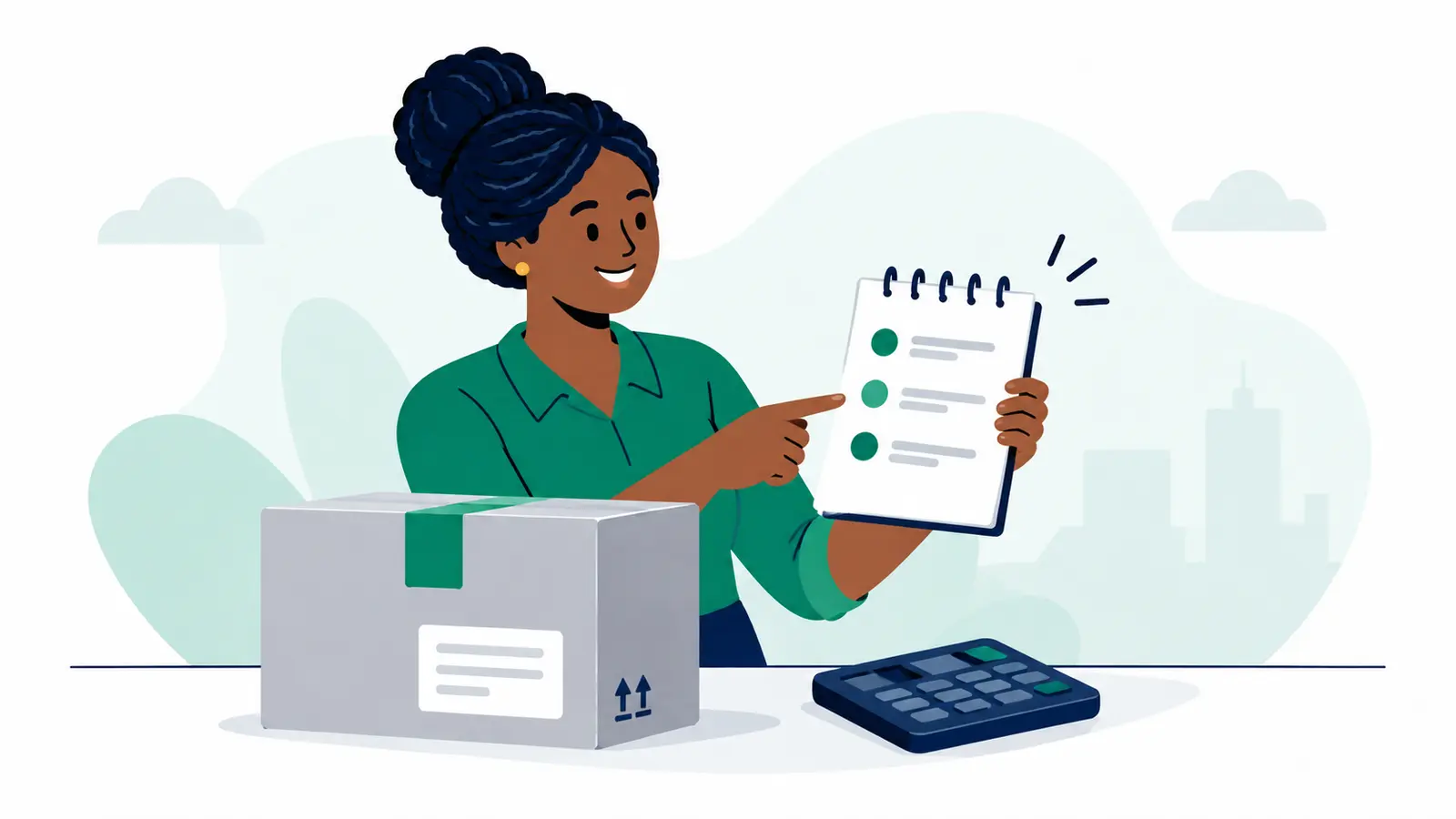
Free delivery is a promotion, not a cost that disappears. Before offering it, check whether the margin on a typical order can absorb the delivery cost after product costs, packaging and other order expenses. If it cannot, charge delivery separately or set a minimum basket that makes the offer workable. Make any minimum-spend condition clear beside the offer.
How should you show delivery charges beside product prices?
Show the product price, delivery charge and full total together before the customer confirms the order. A clear total prevents fee surprises and helps customers decide with confidence. If delivery is included in the product price, say so plainly; don’t call it free if a condition applies.
Try a clear delivery fee, delivery included in the product price, or free delivery above a minimum basket. Compare the effect on your own orders and margins. A threshold set too high can put customers off, so use your order records to choose a level that makes sense for your shop.
How do you price delivery for multi-item orders?
Price the shipment as one combined parcel instead of automatically multiplying your single-item delivery charge. Check the carrier’s quote for the parcel together, including any change in size or weight. Then compare that delivery cost with the order’s available margin. State any limits or exceptions clearly before the customer commits.
What should you say about estimated arrival?
Give an estimated arrival window, not an exact deadline, unless the delivery service confirms one. Tell the customer when you’ll share an update, and message them if the expected window changes. Clear expectations help you look professional without promising more than you can control.
What delivery messages can you send customers?
Use short, consistent messages that confirm the order total and keep the customer informed. Replace the brackets with the details for that order.
- Order confirmation: “Your product total is [product total], delivery is [delivery charge], and your full total is [full total]. Estimated arrival: [estimated arrival window]. I’ll share an update [when you’ll update them].”
- Dispatch update: “Your order has been handed over for delivery. You can follow its progress using [available tracking or status-update method]. I’ll let you know if the estimated arrival window changes.”
What should you avoid saying about delivery?
- “Free delivery” when a minimum spend or other condition applies—put the condition beside the offer.
- “Guaranteed” or “definitely today” when you cannot substantiate that commitment.
- A delivery total that leaves out a charge the customer must pay. Show the full total before order confirmation.
How can you make order handover easier?
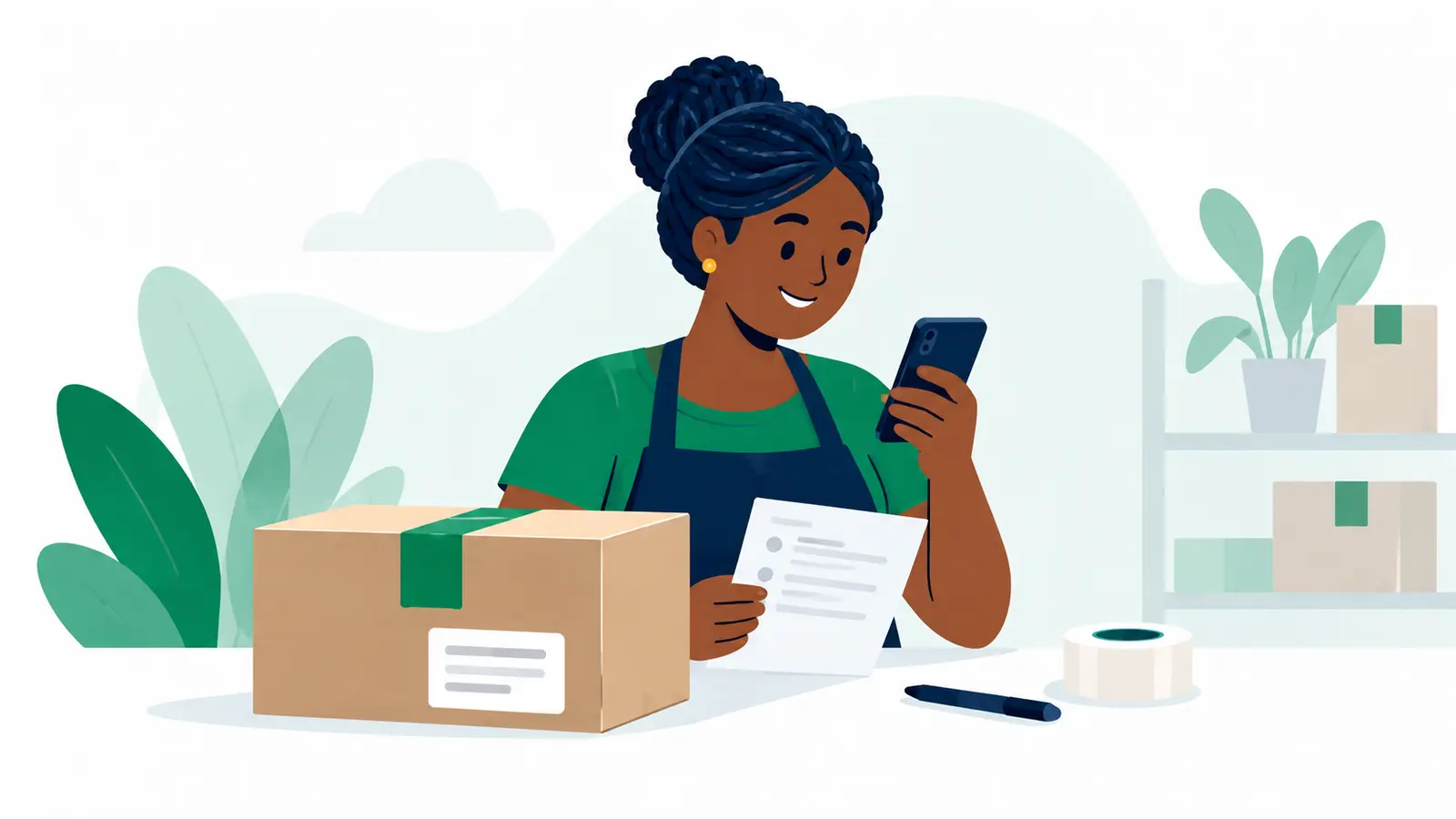
- Confirm the order and delivery details with the customer.
- Pack and label the parcel, then record the agreed delivery option and charge.
- Hand the parcel to the courier and send the customer the available tracking or status-update details.
Put your next order in motion with clear options and pricing for your parcel. Start on Send and choose what works for the delivery.